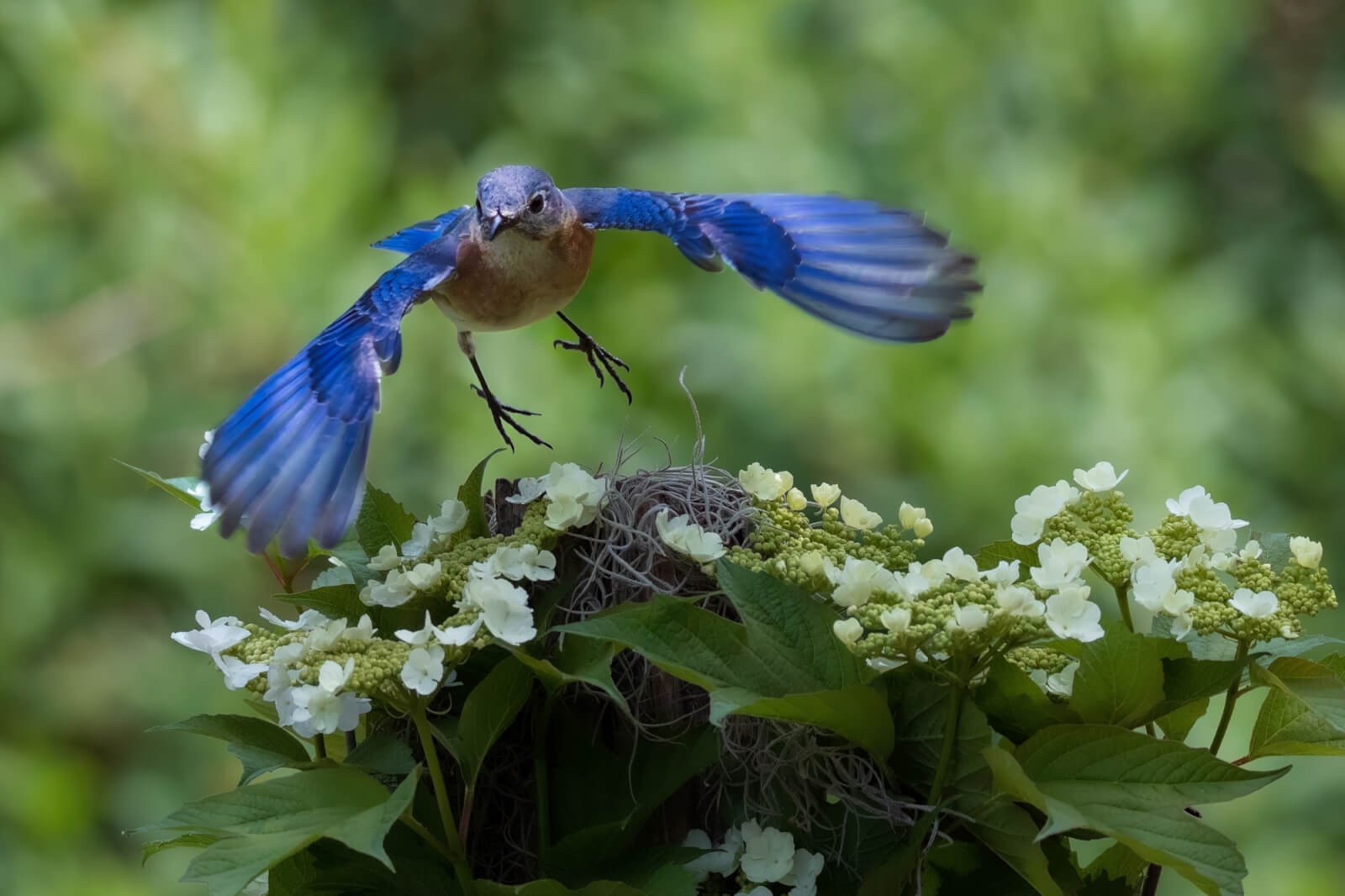
If you think birding is just for retirees in beige vests, think again: birding is officially “cool.” Essentially a high-stakes game of hide-and-seek with nature, it’s become one of the fastest-growing niche hobbies worldwide. Birding is part detective work, part meditation, basically free, and can be done almost anywhere, even in your own backyard.
You may be surprised to know that the Sebring area is kind of the VIP lounge for birds. Why here? Sebring, and its neighbors Avon Park and Lake Placid, FL, sit directly along the Atlantic Flyway, a massive aerial highway that millions of birds use to migrate between continents, and it’s situated on the Lake Wales Ridge, a chain of isolated islands that formed millions of years ago when the rest of Florida was underwater. It created a time-capsule ecosystem of prehistoric scrub, ancient oak groves, and massive freshwater lakes that provide an ideal home for millions of our feathered friends.
To help navigate this world, we spoke with Roberta Lake, a Director for the Highlands County Audubon Society. Lake’s passion began at age 14 out of pure curiosity, and it has since taken her to the literal ends of the earth—including the northernmost point of Alaska just to spot four specific species. Today, she’s helping a new generation of birders discover that you don’t have to go to the Arctic to find magic; you just have to look in the Sebring area.
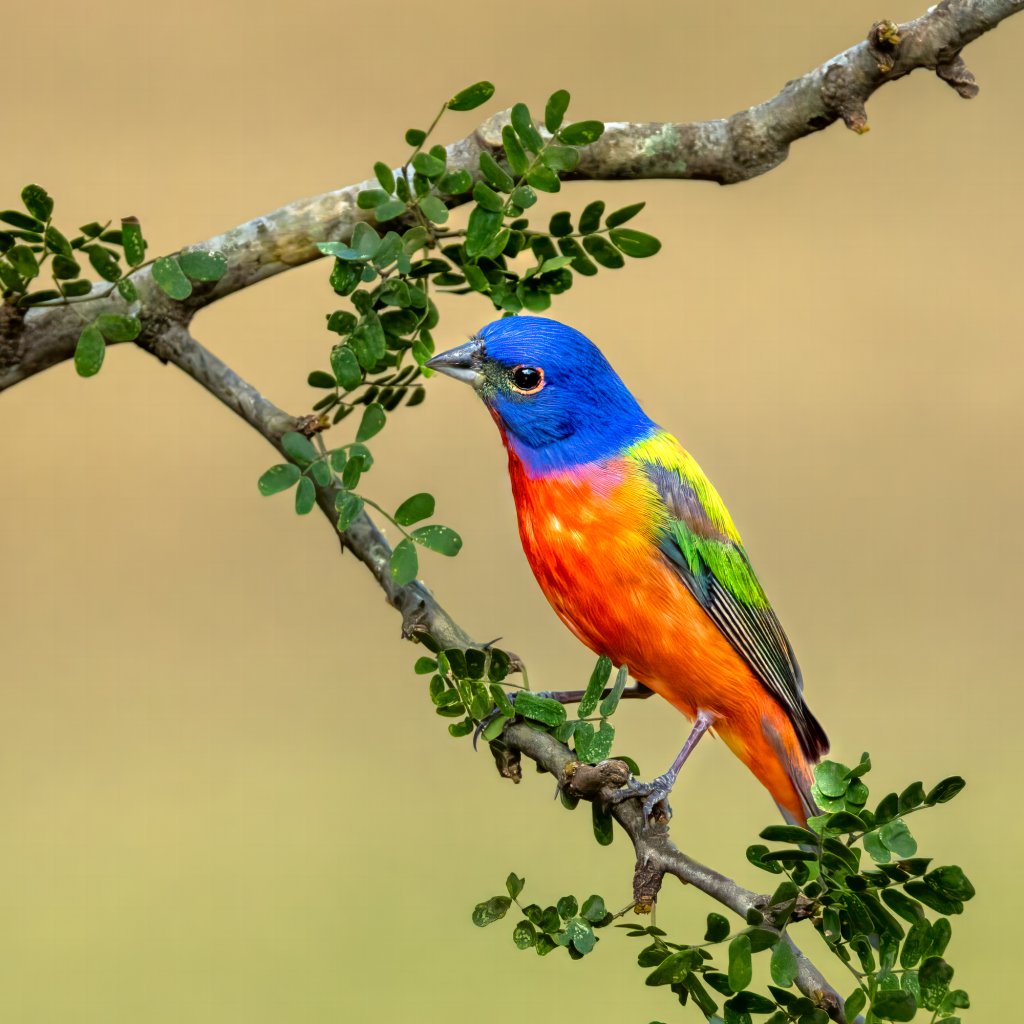
Location Hotspots: Where to Find the Showstoppers
Sebring’s undeveloped landscapes and natural ecosystems are prime birding destinations. Think wooded areas, freshwater lakes, oak groves… there’s plenty to see.
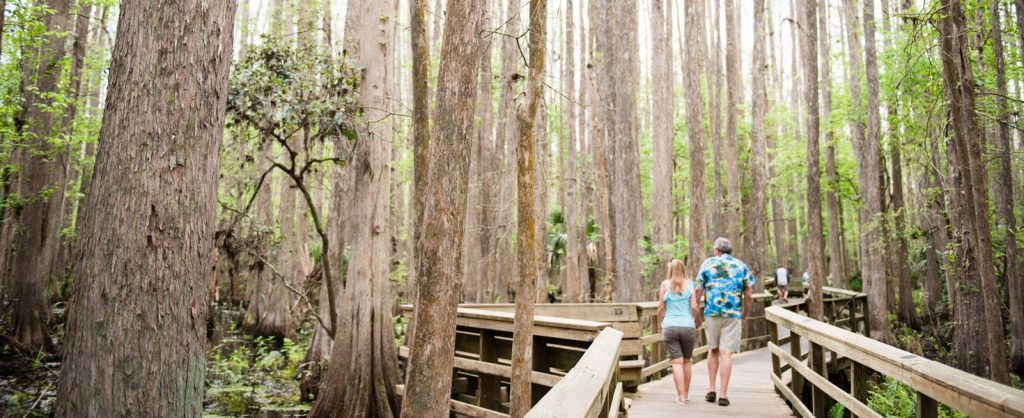
Highlands Hammock State Park is the area’s heavy hitter. It offers a Jurassic Park vibe with its thousand-year-old towering oaks and mossy swamps. You can cruise along the scenic three-mile loop, hike the park’s nine nature trails, or traverse an elevated boardwalk with a historic catwalk through thick ferns. If you aren’t ready for a deep-woods trek just yet, the Tram Tour is a convenient cruise for beginners—getting you face-to-face with species like Barred Owls, without breaking a sweat.
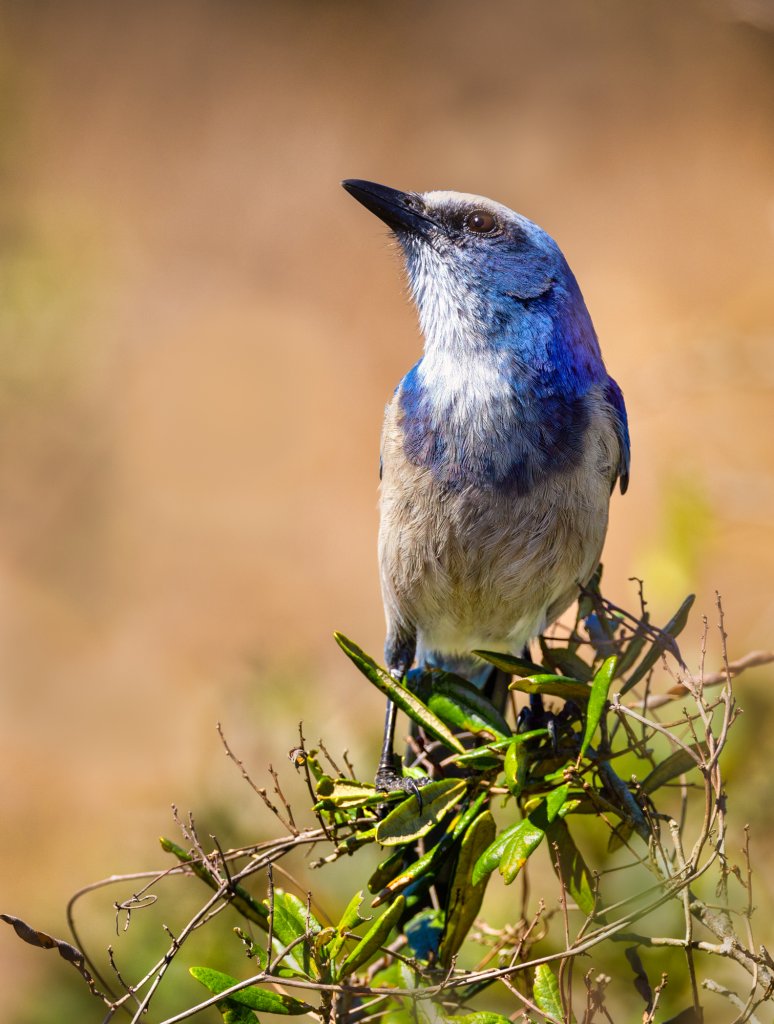
For a true celebrity sighting, head south to Archbold Biological Station. This isn’t just a research facility; it’s the headquarters for the Florida Scrub-Jay. These birds are bright blue, incredibly smart, and remarkably social—they might actually be more interested in watching you than you are in watching them. Lake notes that Archbold is one of the only places where a sighting is practically guaranteed. Because they are found nowhere else on Earth but the Florida scrub, seeing one here is like getting a front-row seat to a private show.
Of course, in the Sebring area, you don’t always have to head into the woods to find the stars of the show. Local lakes offer a completely different cast of characters and some world-class stats to boot. Take a walk around Lake Istokpoga, where you’re likely to find not one, but several Bald Eagle nests. Plus, it’s home to the largest collection of Osprey in the world.
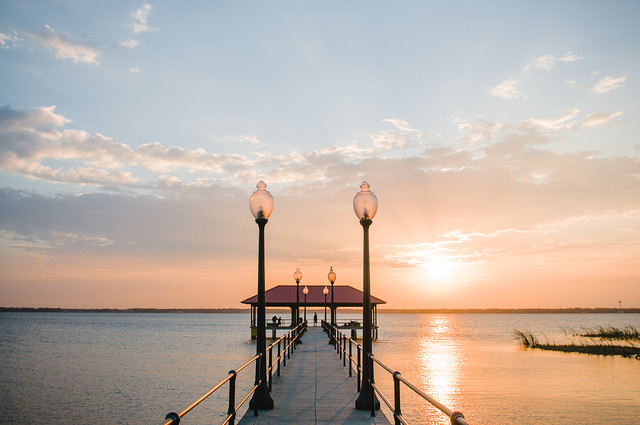
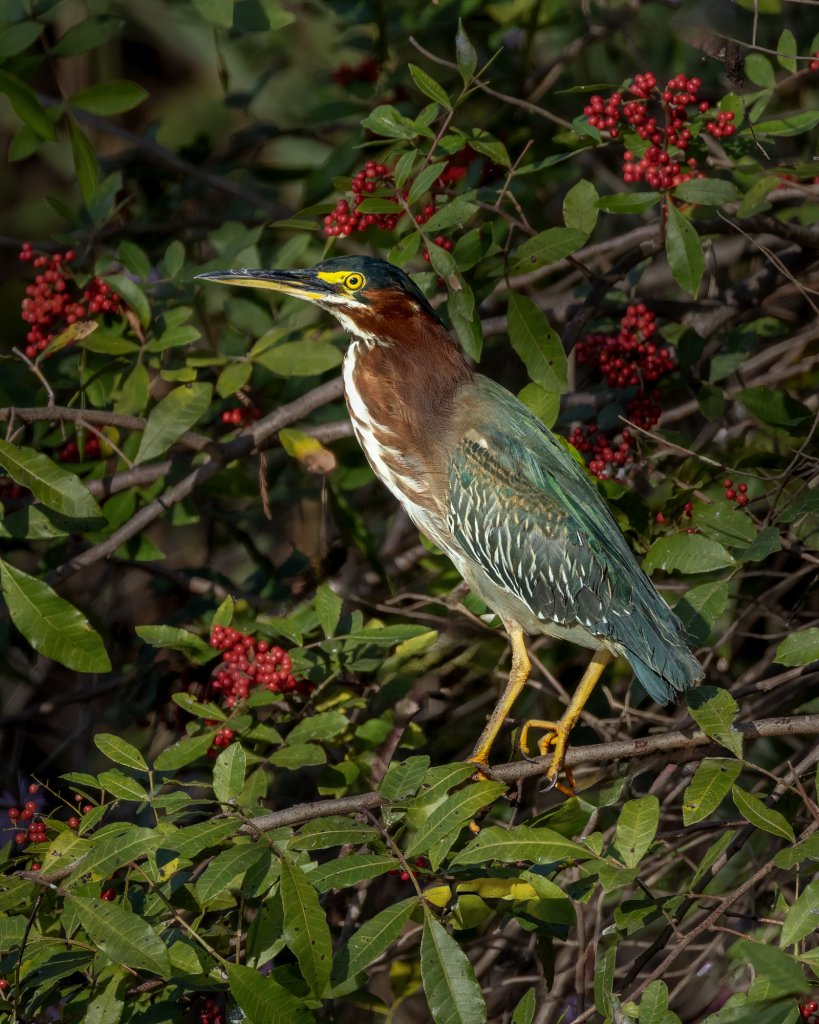
For a change of pace, Lake June-in-Winter is the place to spot elegant waterbirds like Herons and Egrets wading along the shoreline. If you prefer a mix of hiking and birding, Hickory Hammock Wildlife Management Area offers beautiful trails where you can find land birds flitting through the canopy. If you’re looking for a quick “cheat sheet,” head to the William H. Gentry, Jr. Memorial ECO Park, which offers a helpful flyer highlighting the area’s common birds.
What Do You Need? Gear, Tips, and Tricks
One of the best parts about birding is that you don’t need to drop hundreds or thousands of dollars on high-end optics or buy a specialized wardrobe to be a “real” birder. In fact, you probably already have most of the gear in your closet.
The Gear: First and foremost, bring your patience. There’s no magic trick or secret dance that helps you in birding. Lake suggests looking for markings and colors of specific species before attempting to track birdsongs. But keep an eye out for the Brown-headed Nuthatch—they often hang upside down and sound like a dog’s squeaky toy!
- The Basics: A comfortable pair of shoes, weather-appropriate clothing, sunscreen, and a hat.
- The Glass: A basic pair of 8×42 binoculars will serve beginners perfectly. They offer a wide enough view that you won’t get frustrated trying to find a tiny bird in a massive oak tree. TIP: The Sebring Public Library often loans binoculars for day use!
- The Tech: Download the Merlin Bird ID app by Cornell University. It’s like Shazam for nature; you can record a birdsong or snap a photo, and the app tells you exactly what you’re looking at. For those who want to keep a digital life list (a digital birding-finding journal), Lake also recommends the eBird app.
The Timing: While birds are most active (and vocal) at sunrise, Sebring’s residents are on display all day. For the biggest reward, plan your visits during the peak seasons: winter for seasonal residents, or April and October to catch the colorful migrants refueling on their way to somewhere tropical.
The Etiquette: Even in hide-and-seek, there are rules. Following the “Leave No Trace” principles is key—we are guests in their living room, after all. It might be tempting to use “call playbacks” (making or playing bird sounds) to lure birds closer for a photo, but it actually stresses them out. Keep a respectful distance from nests and let the magic happen naturally.
Lake notes that the biggest mistake beginners make is simply not being patient enough. “Nature doesn’t have a fast-forward button,” she says, “and sometimes the best rewards go to those who can just sit, listen, and wait.”
A 30-Minute Challenge
At its core, birding is the art of paying attention. It’s the shift from seeing a “small brown bird” to identifying a Carolina Wren by the sassy way it holds its tail.
You can start birding with just 30 minutes in your backyard or a local park. From eagles soaring overhead to curious scrub-jays at your feet, Sebring’s birdlife ensures there’s always something remarkable to discover—if you take the time to look.
So, grab a pair of sneakers, download your Bird ID app, and head outside. That high-stakes hide-and-seek game is waiting for you—and trust us, the birds are already winning.
All photos credited to Brenda Fishbaugh.